Every
Adventure
Starts With
the First Step.
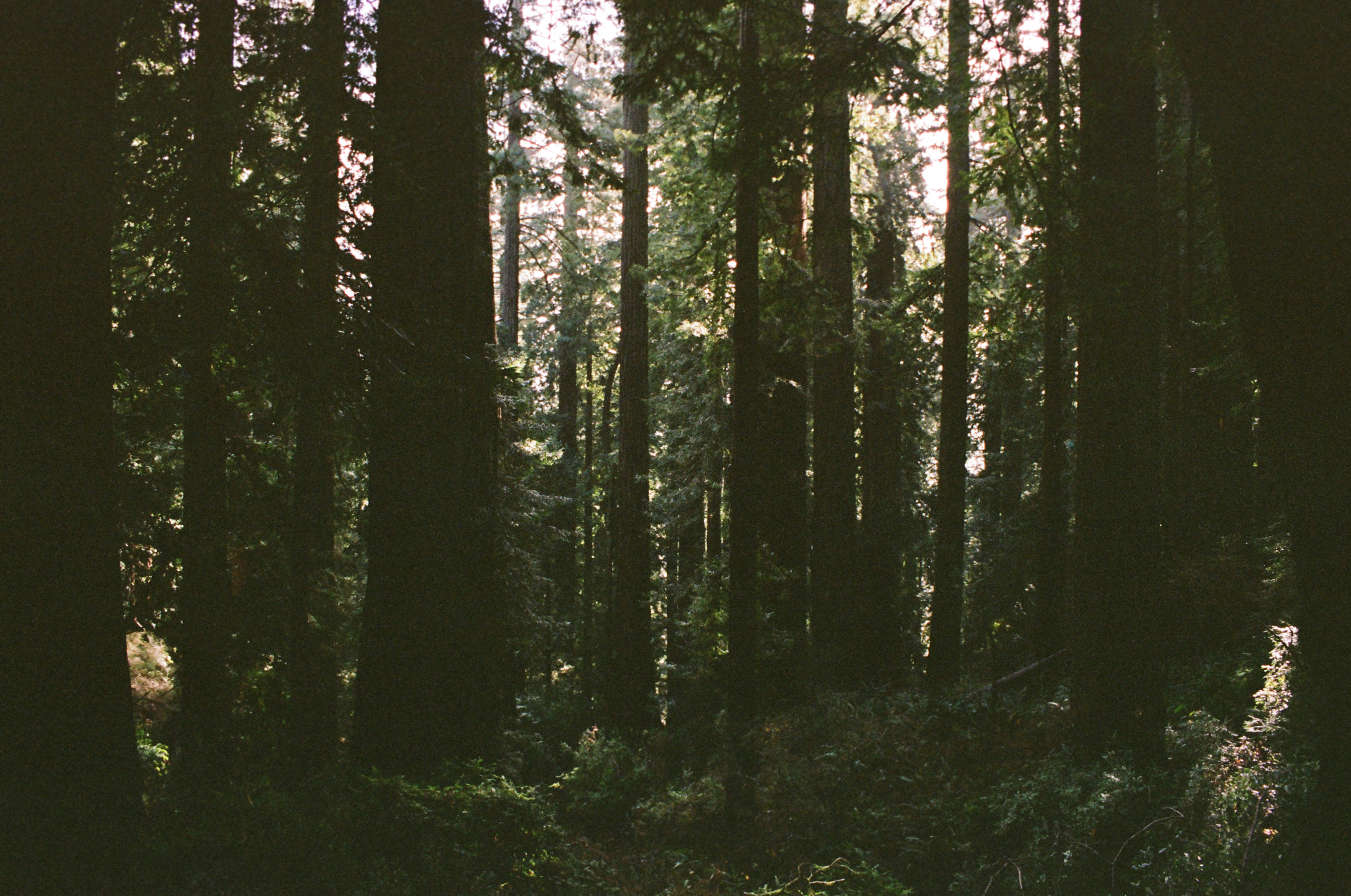
Cedar smoke curls through pine canopy while kids learn to read rivers, build fires, and navigate rope courses strung between old-growth trees. Six days. Real skills.
Download the Family Packing Guide
Walk Every
Campsite.
Six days, six trail markers. Each one a skill, a place, a memory that doesn't require a phone to keep.
Mile 0 — The Trailhead
Arrive & Unpack
The van rolls to a stop on packed gravel. Pine needles underfoot. Woodsmoke somewhere close. Counselors meet every kid by name — not group number.
What We Actually Teach
Gear check takes 20 minutes. Bunk assignments use first names only. No schedules are posted — just the day's first question: "What do you want to learn?"
Mile 1.2 — Forest Floor
Learn the Land
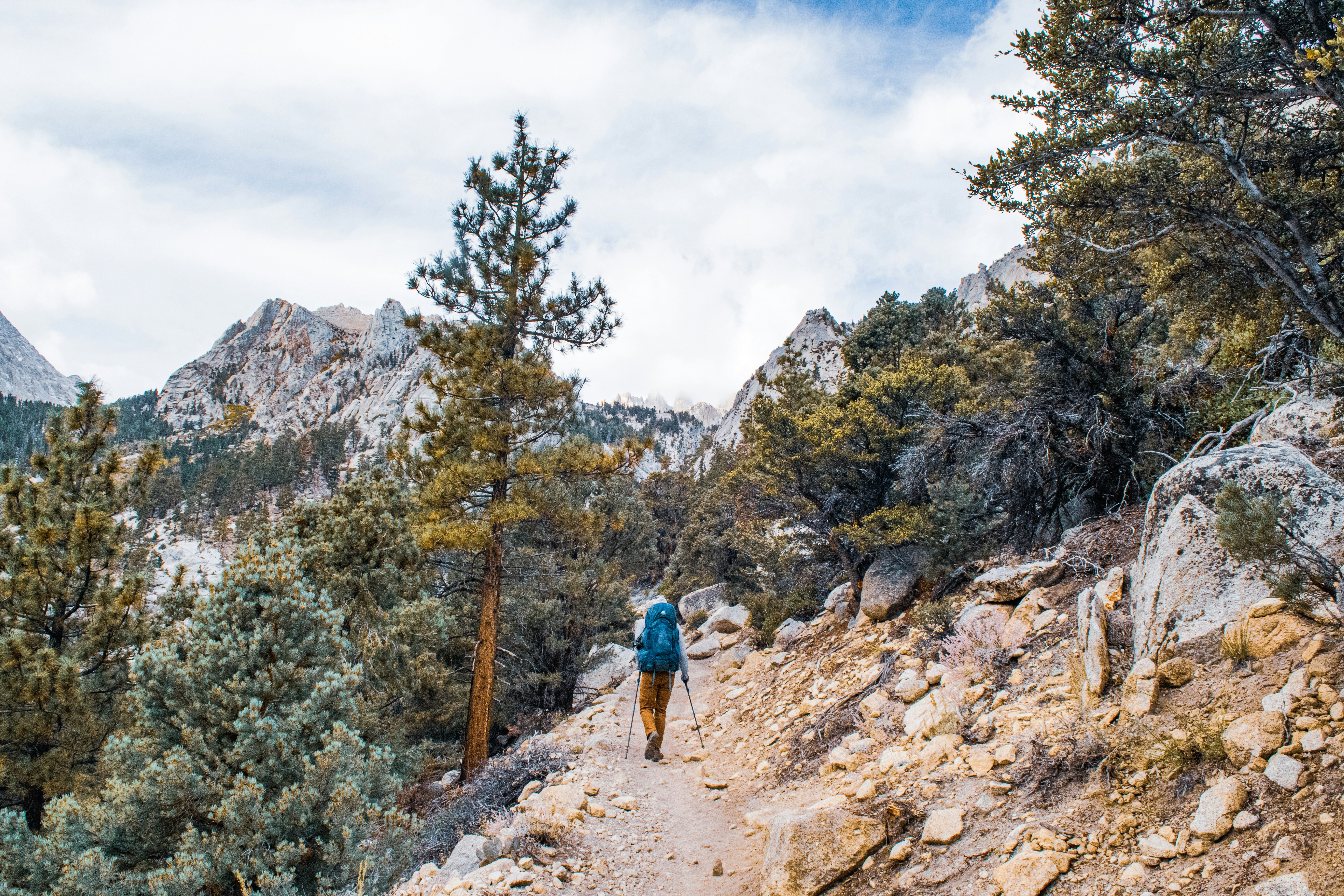
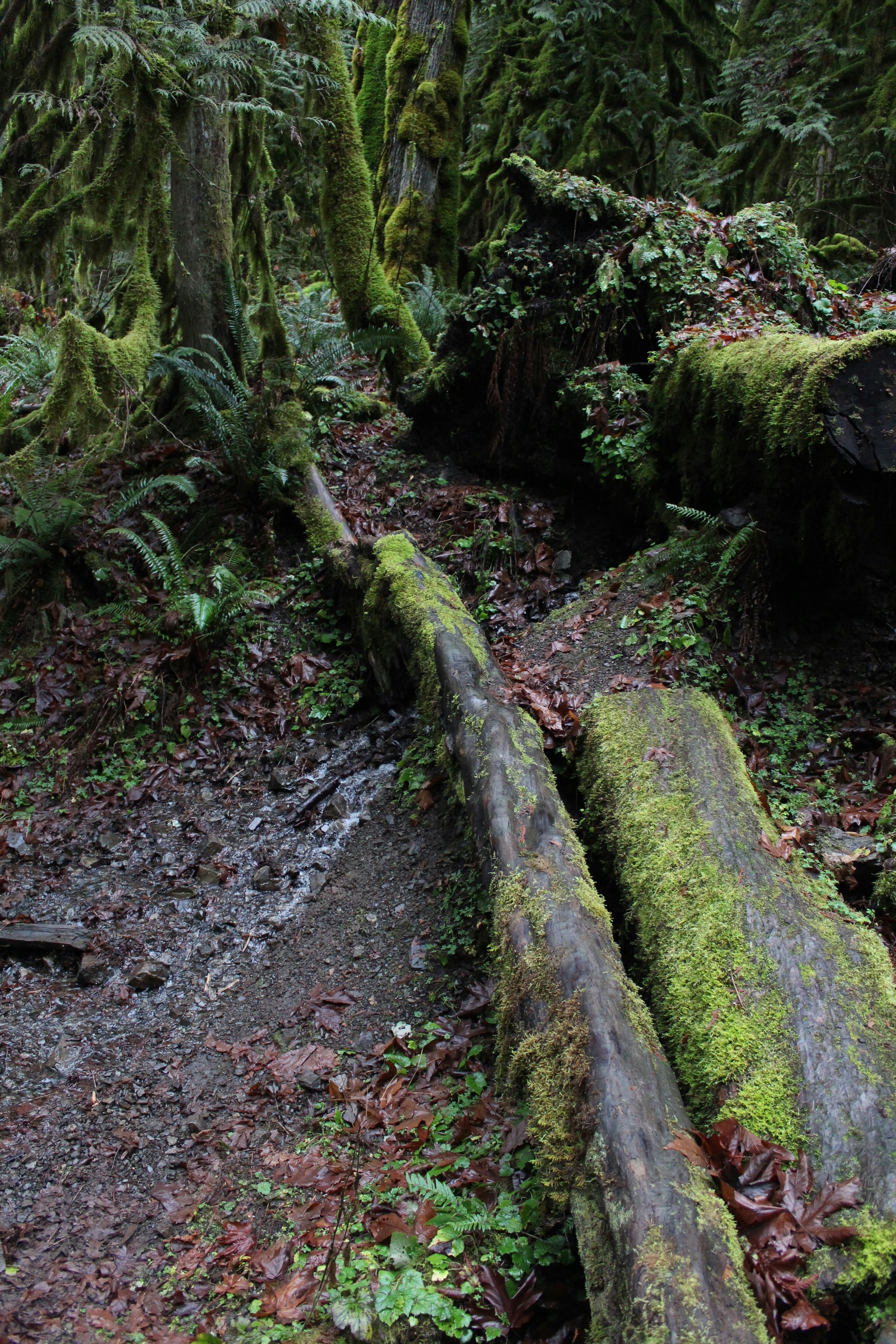
Before any activity starts, kids spend two hours just walking. No phones. No trail markers. Learning to read the land by what grows where.
What We Actually Teach
Instructors teach Douglas fir vs. western red cedar by smell. Kids learn that a creek always runs downhill, and moss grows thickest on north-facing bark. These are not metaphors.
Mile 2.4 — The Granite Ring
Build Your Fire
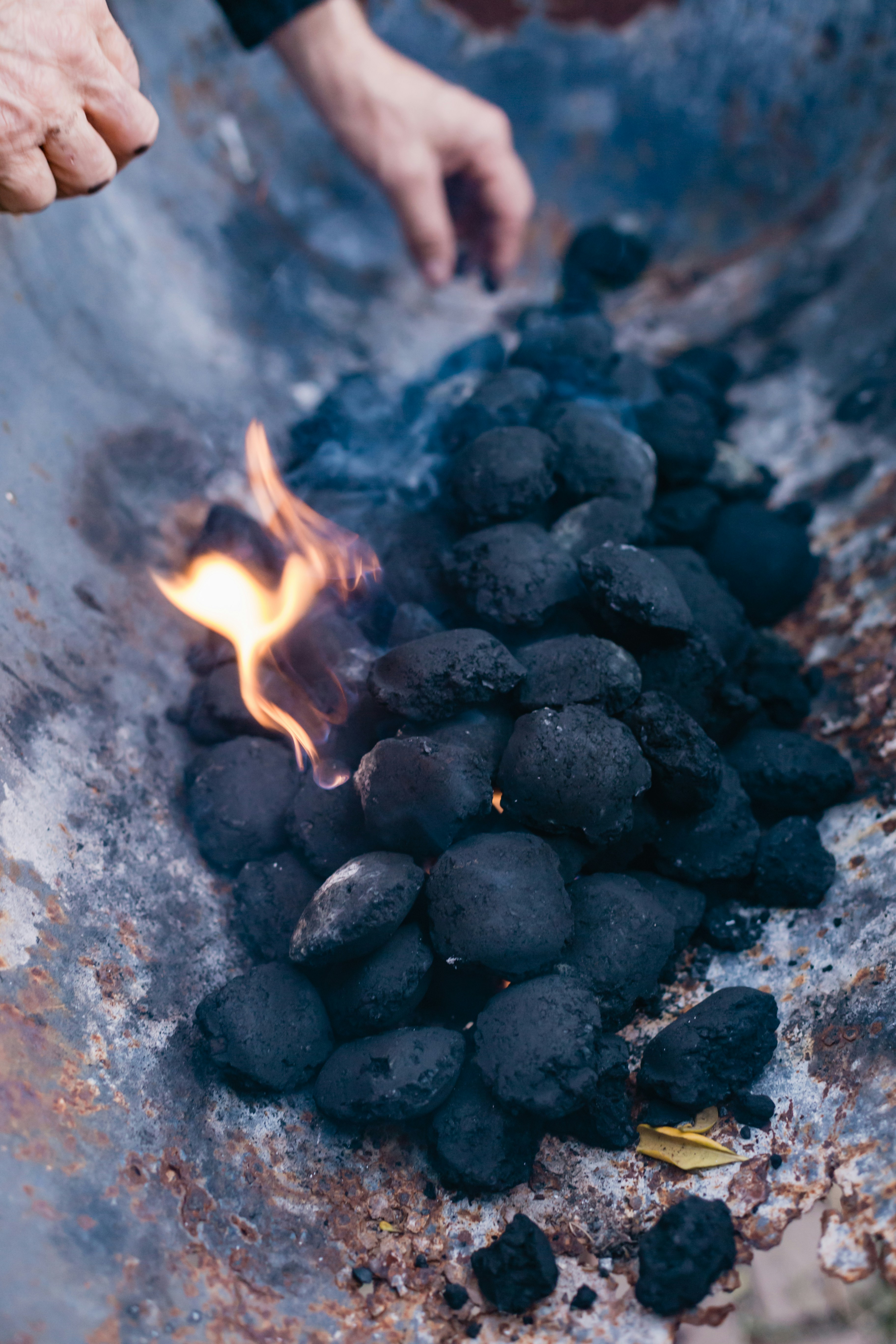
Every camper builds their first fire from scratch — no lighter, no shortcuts. Tinder bundle, kindling pyramid, fuel log. The first flame is genuinely earned.
What We Actually Teach
We use the bow-drill friction method. It takes most kids 45 minutes the first time and 8 minutes by day three. The granite ring was placed stone by stone by the first cohort in 2009.
Mile 3.6 — The Canopy
Navigate the Course
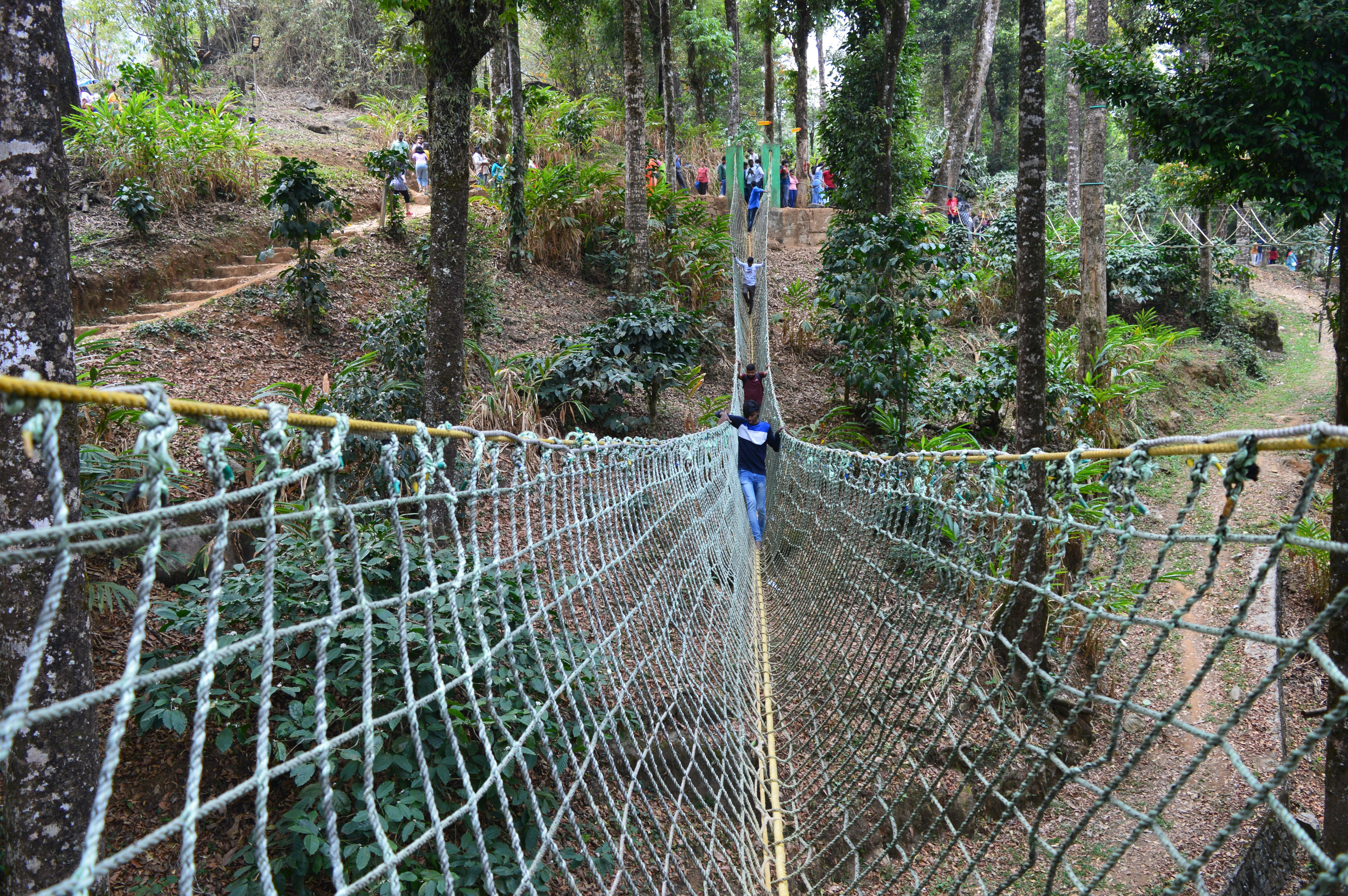
Rope courses strung between old-growth trees, 40 feet up. Not a theme park obstacle — a navigation problem where the solution requires reading your partner.
What We Actually Teach
The course was designed by a former search-and-rescue instructor. Every element has a name: The Commitment, The Balance, The Trust. Kids name their own fears before they cross them.
Mile 4.8 — Alpine Lake
Paddle Out
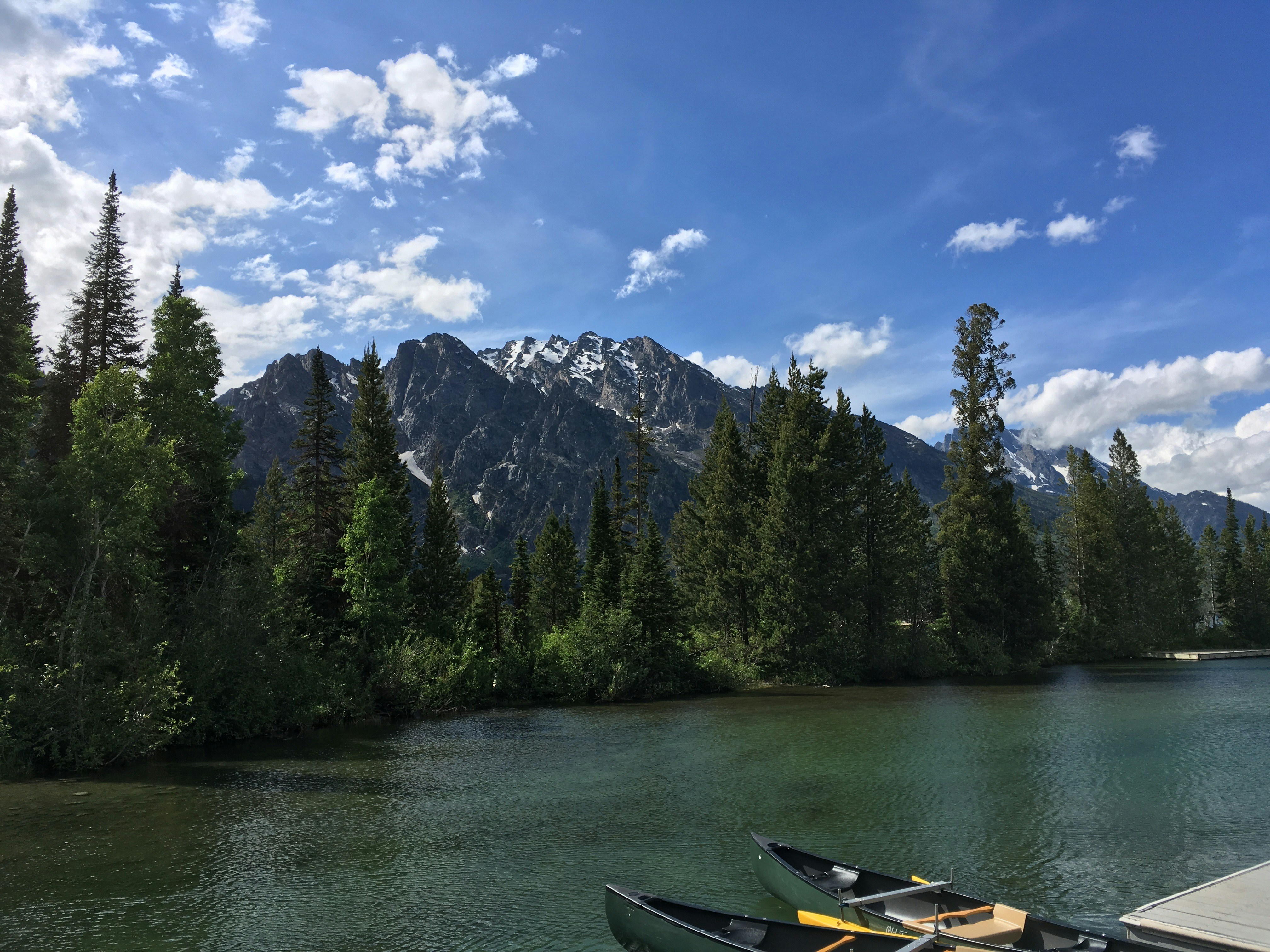
Dawn launch. Glass-still water. The paddles dip in silence because the instructor asked for quiet and everyone, somehow, kept it.
What We Actually Teach
The lake sits at 4,200 feet. Canoe technique is taught on shore first — J-stroke, draw, sweep — then practiced in pairs. By afternoon, kids are navigating by map and compass from the water.
Mile 6.0 — The Meadow
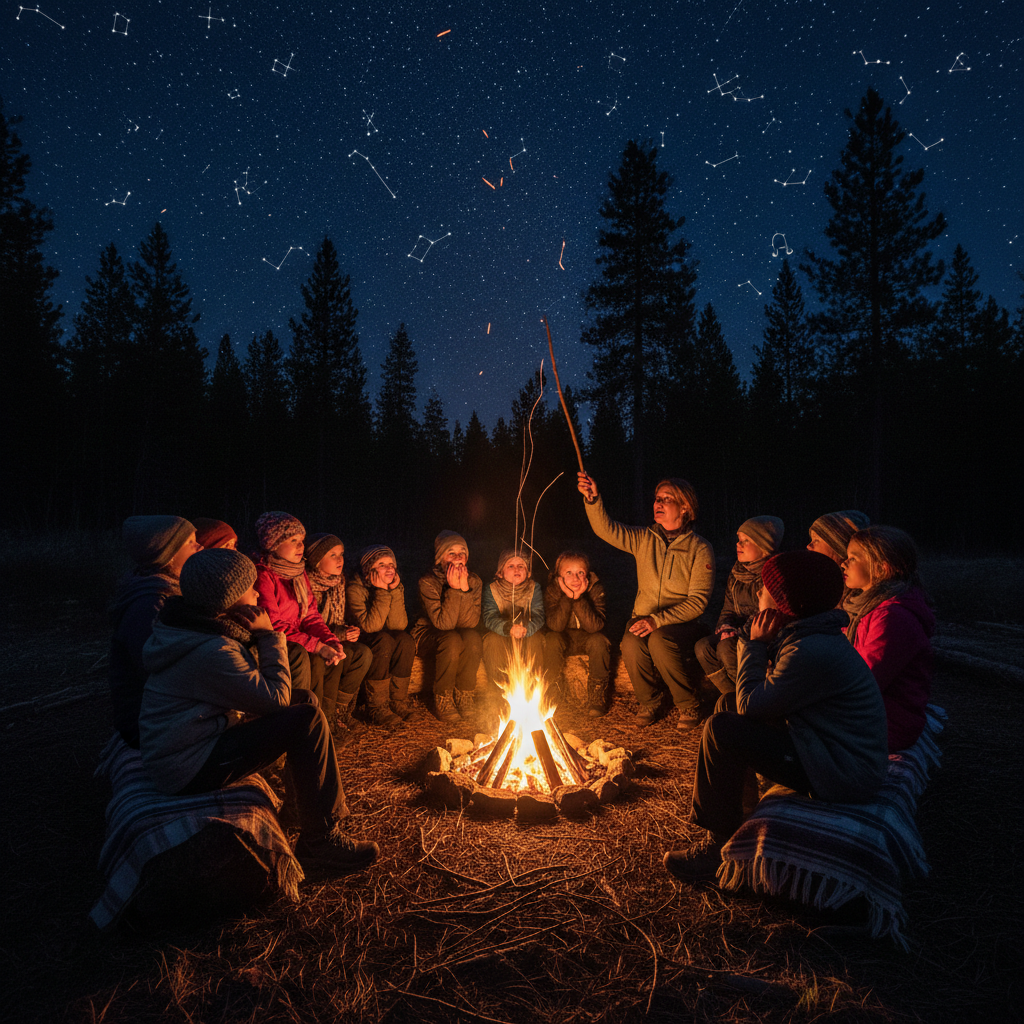
Sleep Under Stars
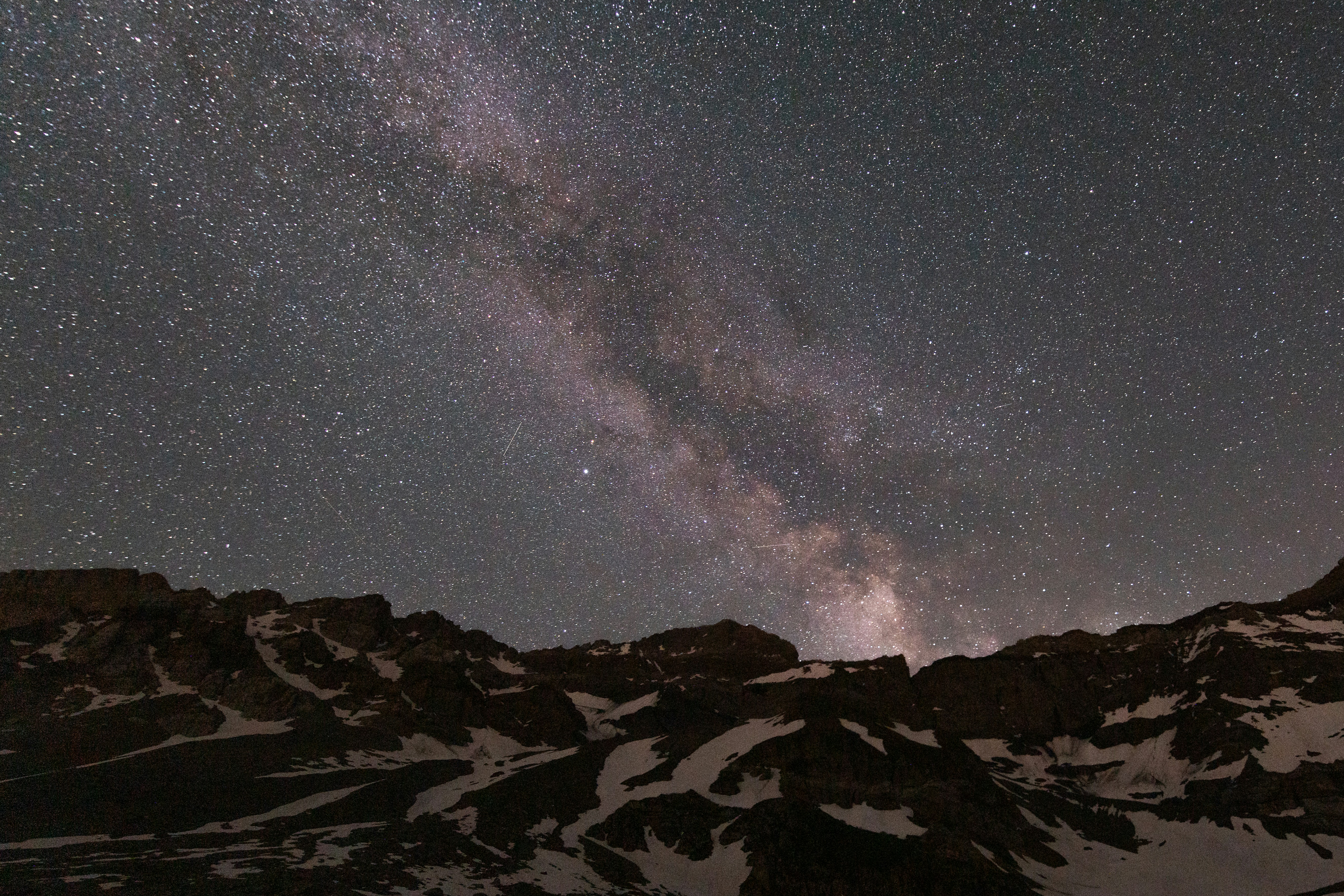
No cabin. No overhead. Just sleeping bags in the star-gazing meadow, the Milky Way overhead, and the sound of an owl somewhere in the dark.
What We Actually Teach
The last night is always the meadow night. Kids identify three constellations they didn't know before the week started. Most lie awake longer than they plan to.
We Give Away
the Good Stuff.
Every section of this page teaches something real. Before you ever give us your email, you'll know how to start a fire, tie a bowline, and read a contour map. That's the deal.
Bow-Drill Fire Starting
The friction method. No lighter. No shortcut.
1. Carve a notch in the fireboard — 1/8 from edge
2. Build the tinder bundle: dry grass, cedar bark shreds
3. Bow stroke: long, even, 45 strokes per minute
4. Coal drops into leaf. Fold. Blow gently from below.
The Bowline.
Never slips. Never jams.
1.The rabbit comes up through the hole
2.Goes around the tree
3.Back down the hole
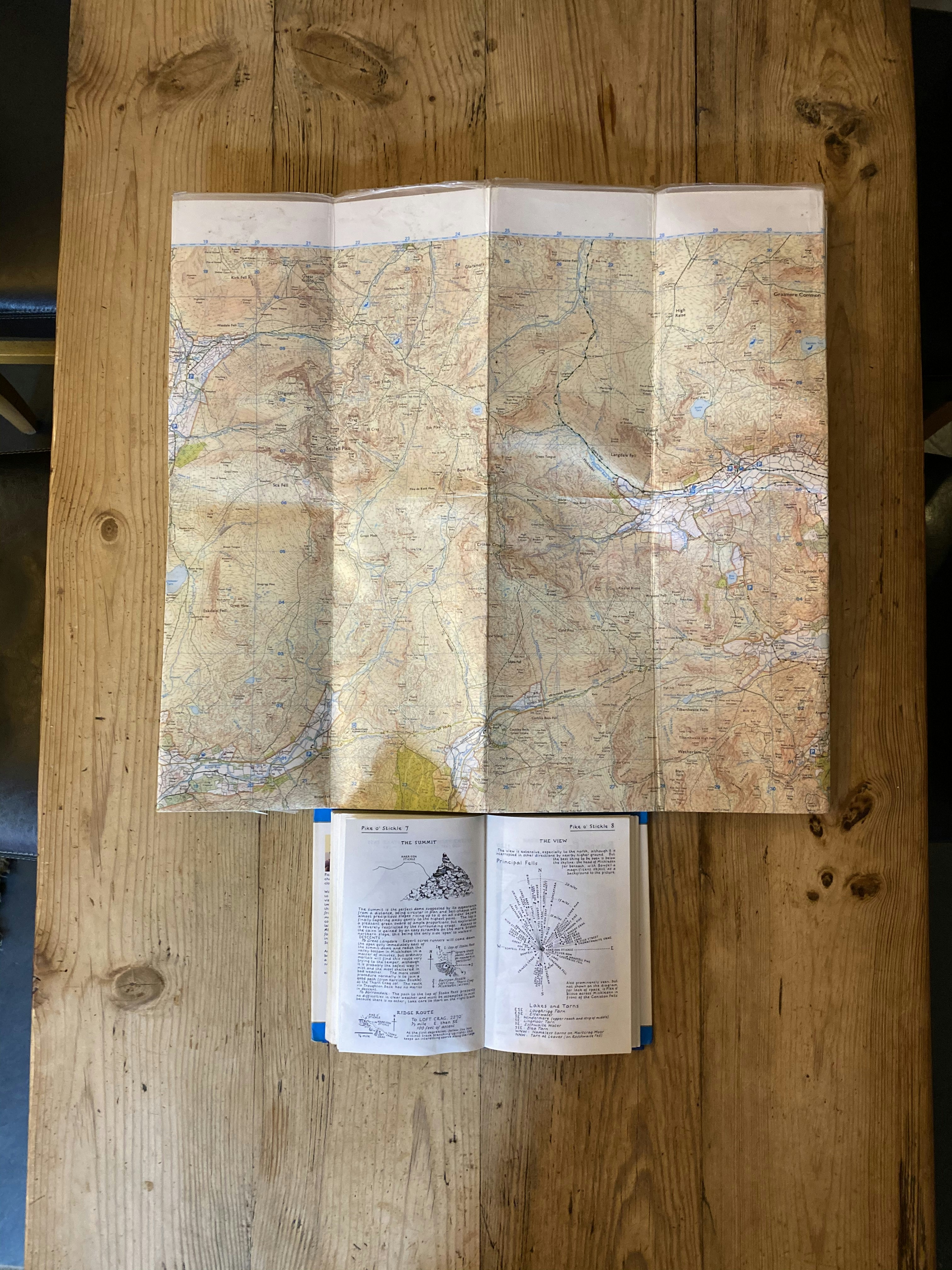
Contour Lines.
Read the land, not the app.
Contour lines 50 feet apart. V-shapes point upstream. Circles are summits. Every camper can triangulate their position by day four.
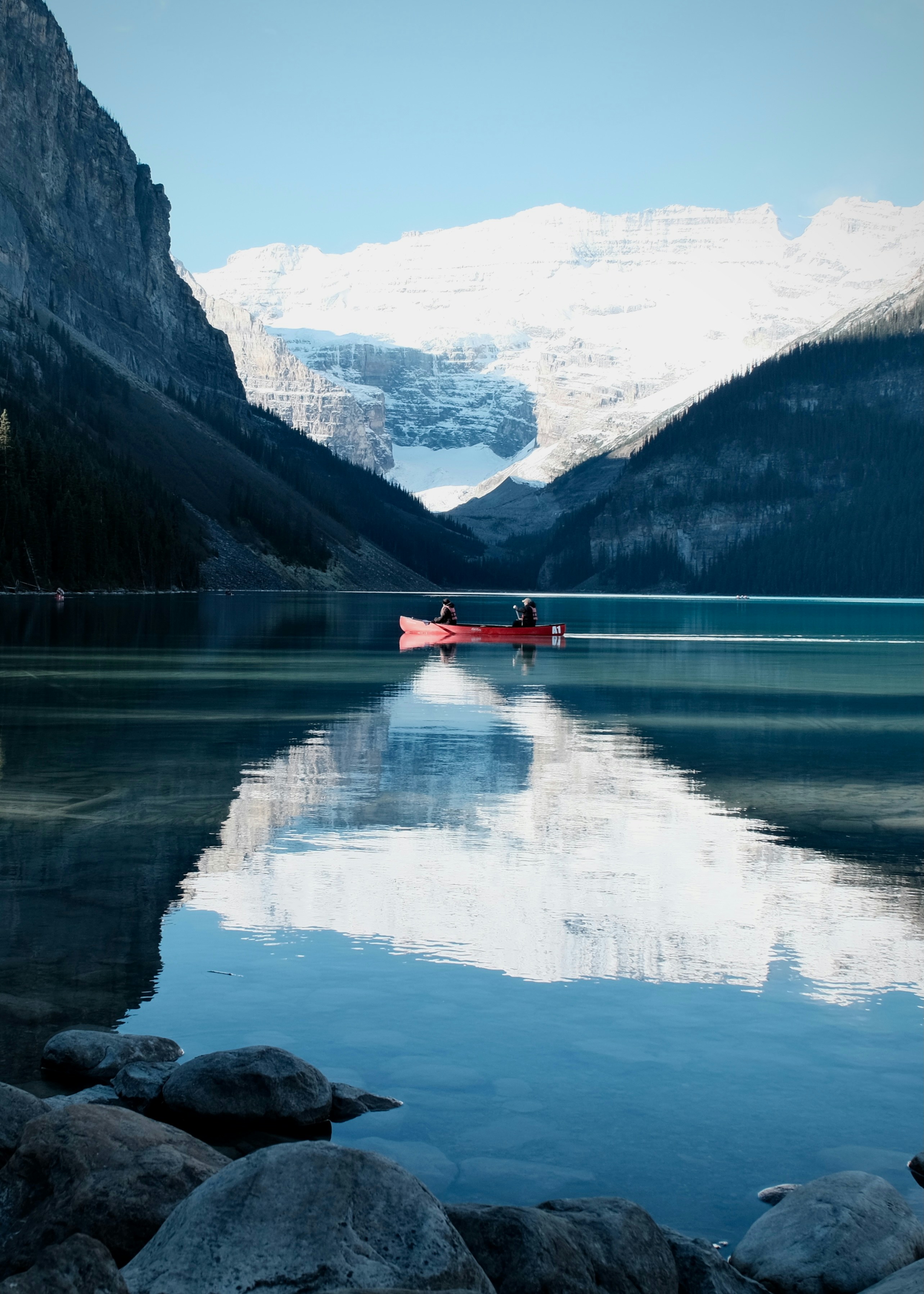
J-Stroke. Draw. Sweep.
J-Stroke
Keeps the canoe tracking straight solo
Draw Stroke
Pulls the bow sideways without turning
Sweep
Wide arc — turns the boat in place
Find Your
Trail.
Three paths through the same forest. Each one designed for where you're starting from.
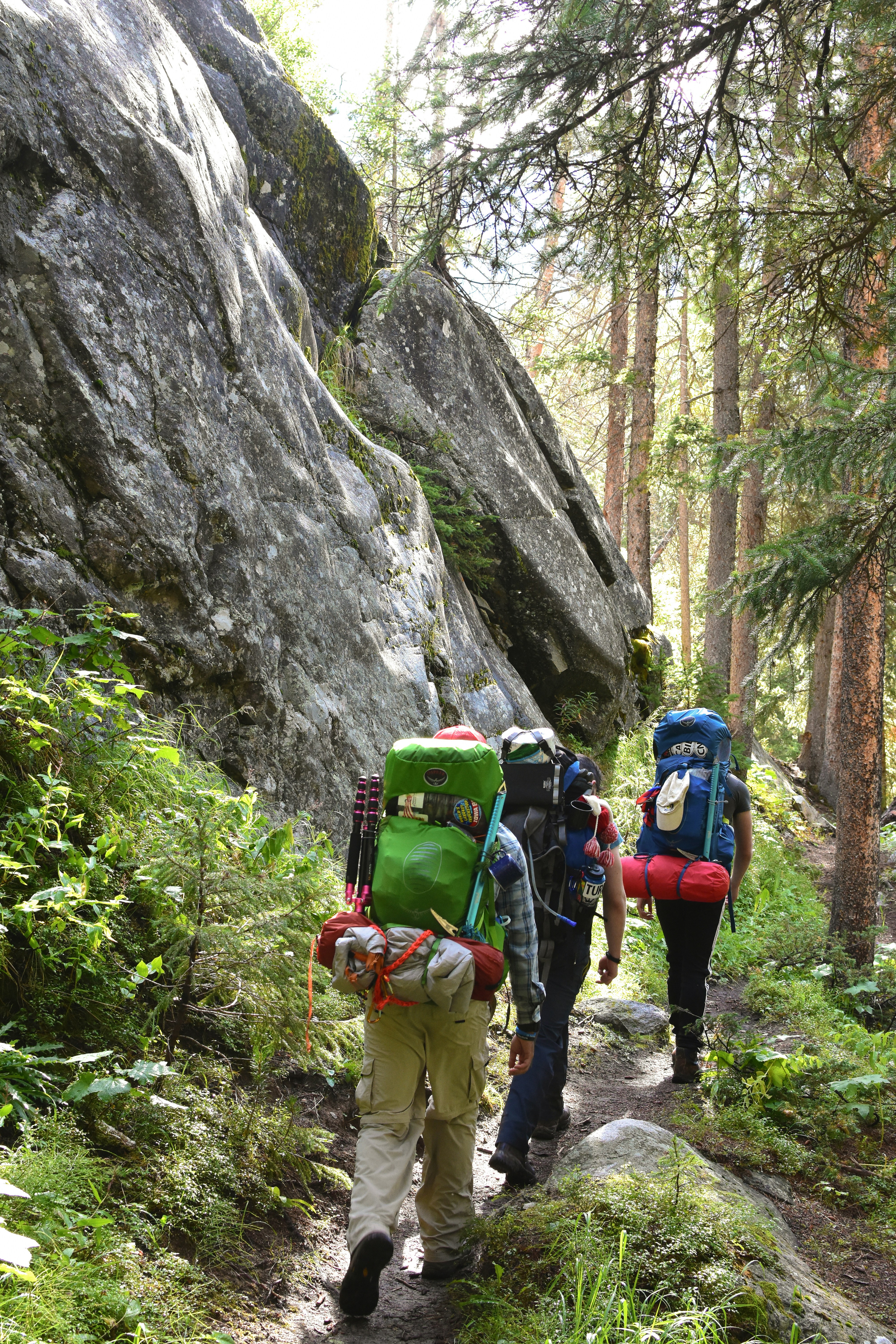
Summer Week
Ages 10–16 · 6 Days
The full Basecamp experience. Kids arrive Sunday, leave Friday. Six days of fire, paddling, navigation, and a final night in the star meadow.
Bow-drill fire starting
Alpine lake canoe trip
Rope course navigation
Star meadow overnight
Knot-tying certification
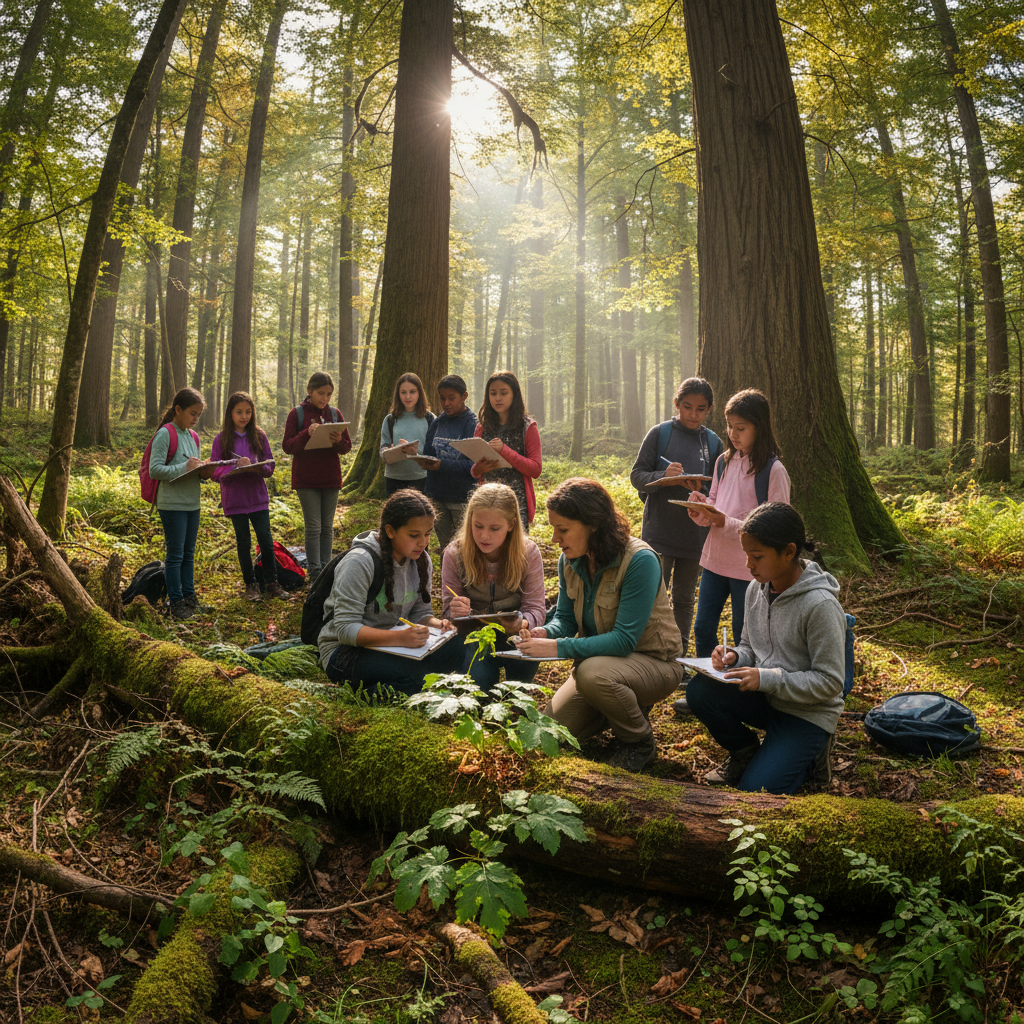
Outdoor Ed Week
5th Grade · 3–5 Days
Curriculum-aligned outdoor education. Washington State science standards met through actual field work — not worksheets about field work.
Ecosystem identification
Map & compass navigation
Water science at the lake
Group problem solving
Pre/post classroom materials
Scout Weekend
All ages · 2–3 Days
A facility that actually challenges teenagers instead of babysitting them. Merit badge advancement built into every activity — with real rigor.
Camping merit badge support
First aid scenarios
Leadership challenge course
Fire safety certification
Leave No Trace practice
From the people
who were there.
"My son built his first fire on day one. By day four he was navigating by topo map. He came home and turned off the TV himself."
Melissa Torres
Parent, Summer Week 2025
"We've run outdoor ed weeks at three different facilities. Basecamp is the only one where the kids are genuinely challenged — not just supervised."
David Okafor
Outdoor Ed Coordinator, Redmond School District
"Our troop earned five merit badges in one weekend. The instructors treated the scouts like capable humans, not liabilities."
Priya Nair
Scout Troop Leader, Troop 214